1350 Scenic Hwy N 266 g, Snellville, GA, 30078
Bonded & Insured
Snellville, GA

Snellville Roofing Contractor: Local, Accountable Roof Care for 20+ Years

Roofs in Snellville have a hard job. Spring brings hail and straight-line winds. Summer means weeks of 90-degree heat with dew points near 70°F, and roughly 50 inches of rain falls on Gwinnett every year. Add the oak and pine limbs hanging over most yards and you can see why a roof put on in 2002 is already failing. Snellville Roofing Company has been repairing and replacing roofs here for more than 20 years. We find what's actually wrong, explain it plainly, and fix it so it lasts, without the high-pressure pitch you'd get from a storm chaser.

We aren't a crew from out of state that leaves town when hail season is over. We're based in Snellville, and we've worked on split-levels near Brookwood High, brick-front two-stories in Centerville, and complex rooflines with lots of valleys in Grayson's Bay Creek area and Hamilton Mill. We know which permit office covers your address, whether that's the City of Snellville, Gwinnett County, DeKalb or Rockdale. We also know how HOA architectural review works, and how Georgia's insurance rules affect your claim.

  • Over 20 years roofing Snellville and Metro Atlanta
  • Bonded roofing contractor
  • Fully insured crews and projects
  • Financing available on repairs and replacements
Free Estimate

Request Your Free Estimate

No obligation. Fast, honest quotes.

Prefer to talk? Call (404) 574-554 — your details are never shared.

Credentials & Certifications BondedInsuredFinancing Available
What We Do

Roofing Services for Snellville Homes and Businesses

Every service below starts with an honest assessment. We'd rather tell you a $600 repair will buy you five good years than sell you a roof you don't need yet. When replacement is the right call, we explain why and show you the evidence.

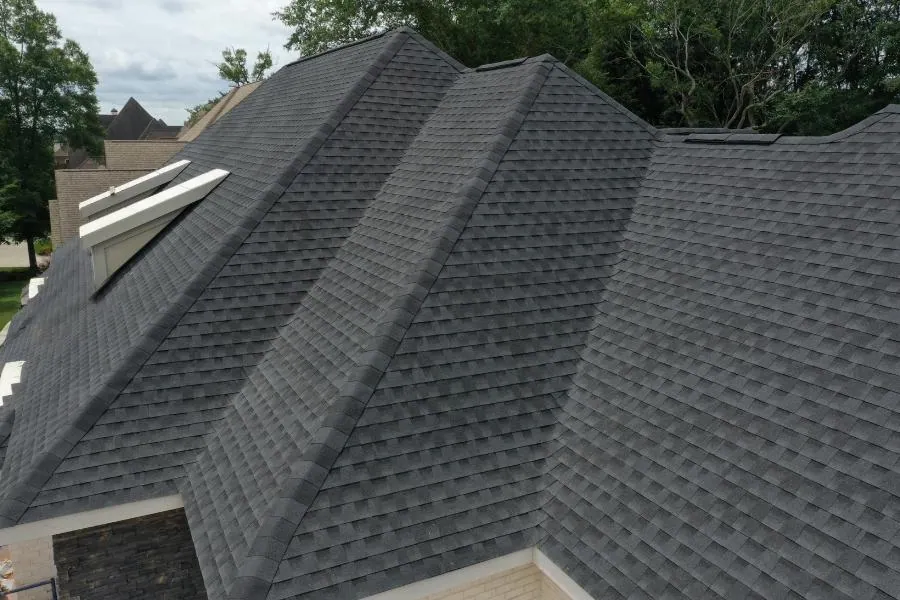
Roof Repair

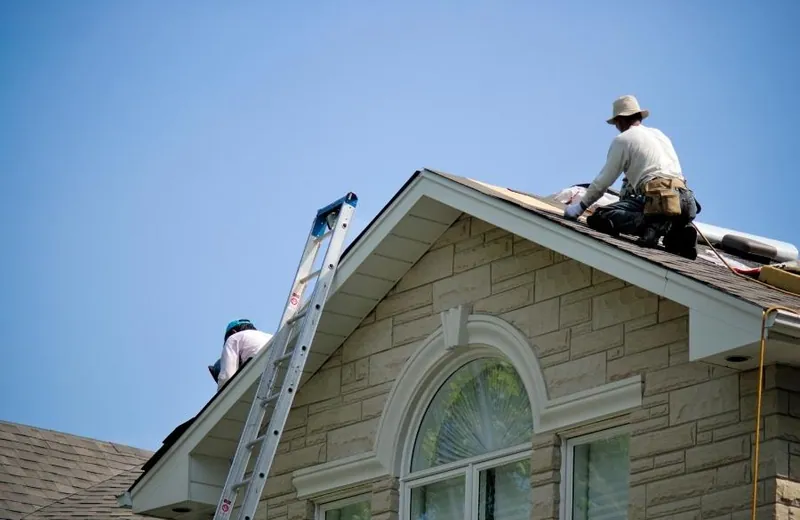
We fix leaks, storm damage, missing shingles, failed pipe boots, flashing problems and soft decking. We track the leak to its actual source instead of just patching where the stain shows up.

We trace leaks from the attic and the roof surface, match replacement shingles as closely as possible, install proper step and counterflashing instead of relying on caulk, and photograph the work so you can see what was done.

Most Snellville repairs involve UV-cracked pipe boots, sidewall flashing on brick-front homes, and wind-lifted shingles after spring storms. On 1990s split-levels in Centerville and Brookwood, a targeted repair often adds years of life to a roof that's still sound.

Best for: Roofs under about 15 years old with localized damage, isolated leaks, or storm damage limited to one or two slopes.

Explore
★ Specialty

Roof Replacement

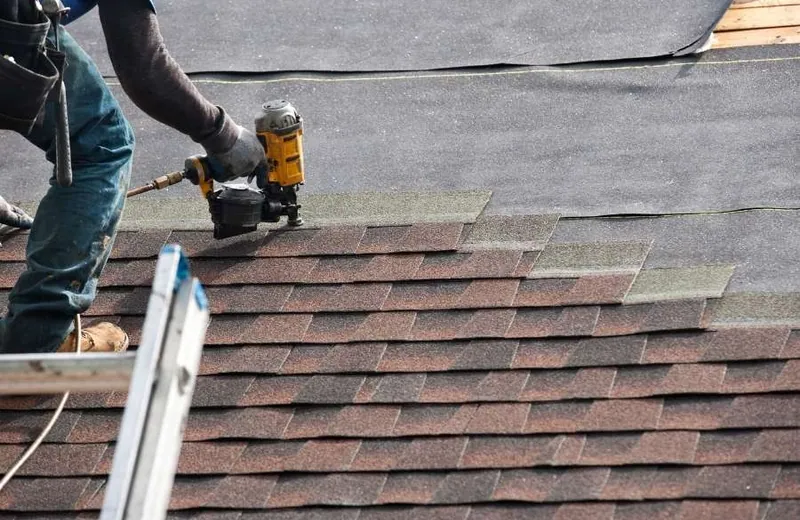
We do complete tear-off and replacement on roofs that have reached the end of their life. That includes decking repair, new underlayment, drip edge, flashing, ventilation and shingles, all installed to code and manufacturer spec.

We tear off down to the deck, replace damaged sheathing, install synthetic underlayment and ice barrier where required, balance intake and exhaust ventilation, and dry the roof in the same day whenever the forecast allows.

Thousands of builder-grade roofs from the 1990s and 2000s in Snellville, Lawrenceville and Loganville are aging out right now. We handle the permit with the right city or county and take care of HOA submittals for neighborhoods in Grayson and Dacula.

Best for: Roofs 20 or more years old, roofs with widespread granule loss or curling, roofs with multiple active leaks, and insurance-approved storm replacements.

Explore

Roof Installation

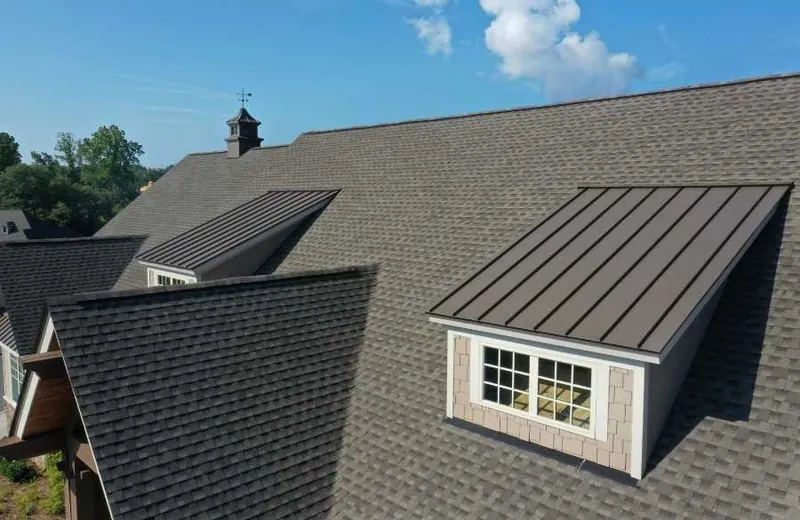
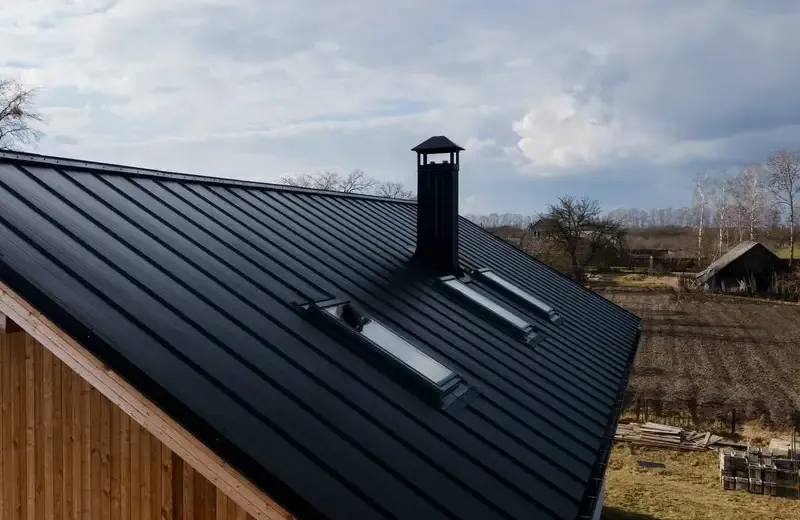
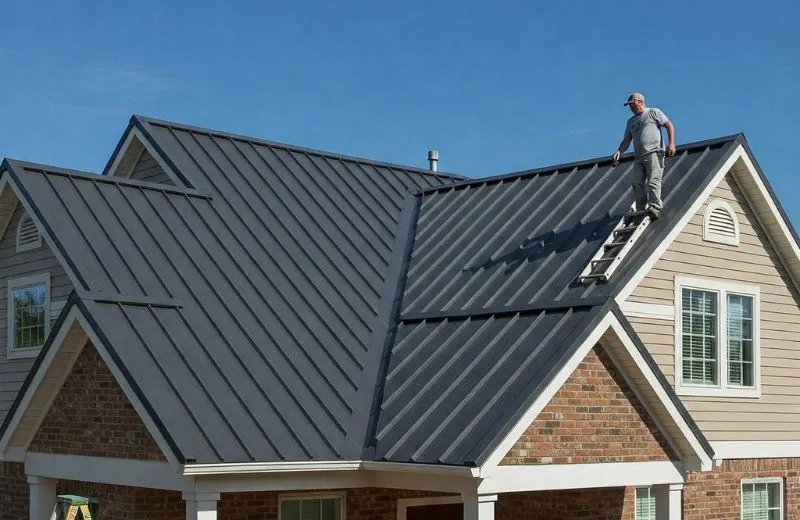
We install new roof systems on additions, new builds and full re-roofs. That includes architectural and designer shingles, standing-seam metal accents, and low-slope membranes where the pitch calls for them.

We choose the right material for the pitch, detail valleys and dormers carefully, follow manufacturer wind-rating installation requirements, and plan ventilation as part of the whole system rather than tacking it on at the end.

Complex rooflines in Hamilton Mill, Suwanee Station and Old Peachtree in Duluth need precise valley and turret work. We also install metal accents and designer shingles that fit HOA guidelines.

Best for: Additions, custom homes, upgrades to designer or metal accent roofing, and homeowners who want a system built for heat and wind.

Explore

Roof Inspection

We do a thorough roof and attic evaluation and give you a written report with photos covering condition, remaining life, storm damage and recommended next steps.

We walk the roof when it's safe, check shingles, flashing, boots, valleys and gutters, look at attic ventilation and decking, and document everything with dated photos.

Inspections are especially useful after spring hail, before you buy an older home in Lilburn or Tucker, or when you're deciding whether to file a claim given your percentage wind/hail deductible.

Best for: Post-storm checks, real estate transactions, insurance documentation, and anyone who isn't sure whether to repair or replace.

Explore

Roof Maintenance

Scheduled upkeep that catches small problems early: clearing valleys, resealing penetrations, replacing worn boots, treating algae and checking flashing.

We do seasonal visits timed around leaf drop and storm season, clear debris by hand, apply soft-wash algae treatment, tighten loose fasteners, and give you a short condition report after every visit.

Heavily wooded lots in Bay Creek, Mountain Park and Snellville need valley and gutter attention at least once a year, often twice, to prevent fascia rot and water backing up under the shingles.

Best for: Homes under heavy tree canopy, landlords and property managers, and homeowners who want to get the most life out of their roof.

Explore
★ Specialty

Commercial Roofing

Repair, restoration and replacement for low-slope and steep-slope commercial roofs, including retail, offices, churches, multifamily buildings and historic downtown storefronts.

We do membrane repair and replacement, correct drainage and tapered slope, replace flashing at parapets and rooftop units, and schedule work around your business hours to keep disruption down.

We work on aging flat roofs in Historic Norcross, downtown Lawrenceville and Olde Town Conyers, where design review may apply, and on retail centers along Scenic Hwy and around The Grove at Towne Center.

Best for: Property owners, managers and HOAs with flat or low-slope roofs, ponding problems, or recurring leaks over occupied space.

Explore

Emergency Roofing

Fast response when a storm, fallen limb or sudden leak leaves your home open to the weather. We tarp, secure and document so the damage stops spreading.

We install heavy-duty tarps, board up holes from tree impacts, and take photos for insurance, then schedule permanent repairs once your adjuster has reviewed the damage.

Fallen oaks and pines after spring storms, hurricane remnants and ice events like January 2014 regularly punch holes in roofs across Snellville, Lilburn and Tucker.

Best for: Tree impacts, wind tear-offs, active leaks during heavy rain, and any damage that leaves the decking or interior exposed.

Explore
Know The Signs

Common Roofing Problems We See Around Snellville

After two decades of climbing roofs across Gwinnett and the eastern metro, we keep running into the same problems. Some are emergencies. Others are slow failures that cost a lot more if you ignore them. Here's what to look for, why it happens here, and how we usually handle it.

Hail and Wind Storm Damage Emergency

Hail bruises and fractures asphalt shingles and knocks off the granules that protect them from UV. Straight-line winds can break the seal strips, crease shingle tabs or tear shingles off entirely. Either way, water can get into the decking and attic.

Why it's common here

March through May is severe-weather season in Gwinnett, DeKalb and Rockdale, and repeated spring hail days have set off waves of insurance claims across the county. Storm remnants like Zeta also bring sustained winds that lift shingles on older roofs where the seal strips have dried out. Damage often isn't visible from the yard, and many policies now carry percentage wind/hail deductibles, so careful documentation matters. Storm chasers show up the week after, which makes it even more important to have a local roofer you can hold accountable.

Signs you'll notice
  • Granules piling up in gutters or at downspout outlets
  • Dark, circular bruises or dents on shingles
  • Shingles missing, creased or lifted after high winds
  • Dented gutters, vents or AC fins
  • New ceiling stains after a storm
Local patterns

Hail claims cluster in Snellville, Grayson and Loganville along the Hwy 78 corridor, where spring storm cells tend to track. Two-story traditionals in Centerville and Brookwood take wind hits on their exposed upper ridges.

Our fix: We tarp right away if needed, photograph and measure the damage, meet your adjuster on request, and repair or replace to code and manufacturer spec.

End-of-Life Builder-Grade Shingles Serious

Asphalt shingles break down as the asphalt dries out and the granules wear away. Near the end of their life they curl, crack and blister, and they stop shedding water well. Repairs eventually stop holding because the surrounding shingles are just as worn out.

Why it's common here

Subdivisions built from the late 1990s to the mid-2000s mostly went up with builder-grade architectural shingles, and those are now 20–25 years old. Snellville's hot attics and strong summer UV speed up aging, especially on south and west slopes. Many older homes also have too little attic ventilation, which traps heat under the deck and shortens shingle life even more. The result is whole neighborhoods reaching replacement age at the same time.

Signs you'll notice
  • Curled, cupped or clawed shingle edges
  • Bald patches where granules are gone
  • Cracked or brittle tabs
  • Shingles from the original build
  • Rising summer cooling bills
Local patterns

We see this a lot in Collins Hill and Five Forks in Lawrenceville, and in Snellville subdivisions from the late 1990s and early 2000s. South- and west-facing slopes usually fail years before the north side does.

Our fix: We assess remaining life honestly. If replacement makes sense, we install new shingles with proper underlayment, drip edge and balanced ventilation.

Flashing, Pipe Boot and Chimney Leaks Serious

Flashing is the metal that seals the joints where a roof meets a wall, chimney, skylight or vent. Pipe boots are the rubber collars around plumbing vents. When either fails, water runs along the decking and framing, often well away from where the stain shows up.

Why it's common here

Rubber pipe boot collars crack in Georgia's UV long before the shingles around them wear out. Step flashing on homes from the 1980s and 1990s was often installed with caulk instead of proper counterflashing, and that caulk fails after years of hot-and-humid cycles. With rain falling year-round, a slow drip around a chimney or skylight can rot decking for years before anyone sees a ceiling stain.

Signs you'll notice
  • Brown ceiling stains near chimneys or bathrooms
  • Cracked rubber around plumbing vents
  • Rusty or lifted flashing at walls
  • Damp attic sheathing or insulation
  • Soft spots when walking near penetrations
Local patterns

This is common on brick-front homes in Snellville and Lilburn's Mountain Park, where step flashing runs along tall sidewalls. Skylights in 1990s homes in Brookwood and Five Forks are another frequent source.

Our fix: We replace failed boots and flashing with proper step and counterflashing, cut out any soft decking, and reseal so the spot doesn't leak again.

Hidden Decking Rot Serious

Decking is the plywood or OSB sheathing the shingles are nailed to. Long-running small leaks soften and delaminate it. A rotted deck won't hold nails, it sags, and over time it can damage rafters and invite mold into the attic.

Why it's common here

Snellville's humidity keeps wood damp longer, and frequent rain means a leak rarely gets a chance to dry out. Older OSB in builder-grade construction swells when it gets wet. Slow leaks at chimneys, skylights and pipe boots can go unnoticed for years, especially in attics nobody checks. We often find it during tear-off on homes that never had a visible interior leak.

Signs you'll notice
  • Sagging or wavy roof lines
  • Spongy feel underfoot on the roof
  • Dark or stained sheathing in the attic
  • Musty attic odor
  • Shingle nails backing out
Local patterns

It's common on 1970s–80s homes in Stone Mountain Village, Tucker and Lilburn, and around skylights and chimneys in Snellville split-levels. Homes under heavy pine canopy that stay shaded and damp are especially prone.

Our fix: We replace the damaged sheathing during repair or tear-off and price it per sheet up front, so you know the cost before any surprises.

Clogged Valleys, Gutter Overflow and Fascia Rot Moderate

Valleys channel a lot of water off the roof. When leaves and pine straw pile up there or in the gutters, water backs up under the shingles and spills over onto the fascia and soffit, rotting the trim and splashing against your foundation.

Why it's common here

Thick oak, pine and sweetgum canopy covers much of eastern Gwinnett. Leaves drop in fall and pine straw comes down most of the year. Red Piedmont clay drains poorly, so overflow sits against the foundation and stains siding orange. Complex roofs with lots of valleys catch even more debris.

Signs you'll notice
  • Water sheeting over gutter edges in rain
  • Peeling paint or soft fascia boards
  • Debris piled in roof valleys
  • Orange clay splash on siding
  • Sagging gutter runs
Local patterns

We see this all over wooded lots in Grayson, Bay Creek and Mountain Park. Luxury homes in Hamilton Mill and Suwanee with many valleys clog fastest under mature trees.

Our fix: We clear valleys, repair or replace rotted fascia and soffit, correct valley flashing, and recommend a maintenance schedule that fits how much tree cover you have.

Ponding on Low-Slope and Flat Roofs Moderate

Low-slope roofs need membrane systems, not shingles. When water sits more than about 48 hours, it breaks down the membrane, finds seams, and adds weight to the structure.

Why it's common here

Many 1960s–70s ranches have carports and additions that were framed nearly flat and finished with roll roofing or shingles that were never meant for that pitch. Downtown commercial blocks in Lawrenceville, Norcross and Conyers have aging membrane roofs. Heavy summer downpours overwhelm drains that are clogged with debris.

Signs you'll notice
  • Standing water a day or two after rain
  • Blistered or cracked roll roofing
  • Open seams on membrane
  • Interior leaks under additions
  • Algae rings where water sits
Local patterns

This shows up on carports and additions in Tucker, Clarkston and Stone Mountain, and on older commercial buildings in Historic Norcross and Olde Town Conyers.

Our fix: We correct drainage, build tapered slope where needed, and install a proper low-slope membrane system rated for ponding and Georgia heat.

Algae Streaks, Moss and Lichen Minor

The black streaks are Gloeocapsa magma, an airborne algae that feeds on the limestone filler in shingles. Moss and lichen grow on shaded slopes and hold moisture against the roof surface.

Why it's common here

Long humid stretches plus heavy tree shade create ideal growing conditions, especially on north-facing slopes. Algae is mostly cosmetic, but moss lifts shingle edges and holds water, which speeds up wear.

Signs you'll notice
  • Black or dark streaks down slopes
  • Green moss clumps at shingle edges
  • Gray-green lichen spots
  • Darker north-facing slopes
Local patterns

It's common across shaded lots in Snellville, Lilburn and Tucker. HOAs in Grayson and Suwanee sometimes send violation letters over badly stained roofs.

Our fix: We do soft-wash treatment (no pressure washing), remove moss carefully, and offer algae-resistant shingles at your next replacement.

Transparent Pricing

How Much Does a Roof Cost in Snellville?

Roofing prices in the Snellville area depend on your roof's size, pitch, complexity and condition, plus the materials you choose. The ranges below reflect typical Metro Atlanta projects. Your written estimate will be specific to your home after we inspect it.

Typical Project

Pipe boot and flashing leak repair

1990s split-level in Snellville, one leak at a plumbing vent with minor flashing work

$350 – $1,200
Typical Project

Full replacement, typical suburban home

Two-story traditional in Lawrenceville or Loganville, about 28–32 squares, architectural shingles, limited decking repair

$12,000 – $20,000
Typical Project

Complex luxury roof replacement

Grayson or Dacula home with many valleys and dormers, about 40+ squares, designer shingles, HOA approval

$22,000 – $40,000
Typical Project

Low-slope addition or carport re-roof

1970s ranch in Tucker or Stone Mountain, membrane system replacing failed roll roofing

$3,500 – $9,000
Roof Size and Pitch Primary Factor

Roofs are priced by the square, which is 100 square feet. A typical Snellville two-story with 2,000–2,800 square feet of living space often has 25–35 squares of roof. Steep gable and hip roofs, which are common on Gwinnett traditionals, need extra safety equipment and slow the crew down, so they cost more per square than a walkable ranch roof in Tucker or Stone Mountain.

Roofline Complexity Primary Factor

Each valley, dormer, turret, skylight and chimney adds flashing, cutting and labor. Homes in Hamilton Mill, Suwanee Station and Old Peachtree often have two or three times as many intersections as a simple 1990s gable roof in Snellville. More intersections mean more materials, more detail work and higher cost, but they're also where careful workmanship matters most for preventing leaks.

Decking Condition Secondary Factor

Hidden rot from years of slow leaks around chimneys, skylights and pipe boots is common in older Gwinnett homes. Replacing a sheet of plywood or OSB typically adds $75–$125 per sheet installed. We state that per-sheet price in your estimate up front, so if we find soft decking during tear-off you already know what it costs. No surprise invoices.

Material Choice Secondary Factor

Standard architectural shingles are the most popular choice around Snellville. Designer shingles, algae-resistant lines and standing-seam metal accents cost more but can satisfy HOA guidelines and last longer in our heat. Low-slope additions and commercial roofs need membrane systems, which are priced differently from shingles. We'll walk you through the tradeoffs without upselling.

Ventilation, Permits and Access Additional Factor

Correcting undersized attic ventilation in older homes, permit fees that vary by jurisdiction, HOA submittal requirements, and tight access on wooded lots or steep driveways can all affect the final price. Fixing ventilation is usually money well spent, since it extends shingle life and can lower summer cooling bills.

Financing is available for repairs and full replacements, so you can take care of an aging roof now instead of waiting until it starts leaking. Ask us about options when we go over your estimate. A properly installed roof protects everything under it. Catching a $500 flashing leak early can prevent thousands in decking, drywall and mold repairs, and a new roof is a selling point buyers in Gwinnett notice.

Local Expertise

Why Snellville Homes Need a Roofer Who Knows Gwinnett

A roof in Snellville wears out differently than a roof in Phoenix or Chicago. Our heat, humidity, storm season, tree canopy and suburban housing stock create predictable patterns of wear. Once you understand them, it's much easier to decide whether a repair will do or a replacement makes more sense.

Climate: Heat, Humidity, Hail and Year-Round Rain

Snellville has a humid subtropical climate. Summer highs sit in the upper 80s to low 90s, and dew points hover near 70°F for weeks. Attic temperatures can climb well past the outdoor reading, which bakes asphalt shingles from underneath while UV attacks them from above. That's why the south- and west-facing slopes usually lose granules, curl and blister first. Between March and May, severe thunderstorms bring hail and straight-line winds across Gwinnett, DeKalb and Rockdale, and the 2008 Atlanta tornado outbreak is still a local benchmark. Remnants of Gulf hurricanes like Irma (2017) and Zeta (2020) brought down mature trees across the eastern metro. With 48–52 inches of rain spread through the year there's no true dry season, so small flashing failures turn into rotted decking faster than most homeowners expect.

Built Environment: A Generation of Roofs Aging Out Together

Most homes around Snellville went up during Gwinnett's boom from the 1970s through the 2000s. You'll mostly see split-levels, two-story traditionals and brick-front homes with steep gable or hip roofs. Subdivisions from the 1980s and 1990s started out with 3-tab shingles, and many are now on their second or third roof. Builder-grade architectural shingles installed from the late 1990s to the mid-2000s are reaching the end of their 20–25 year life all at once. Older ranches in Stone Mountain, Tucker, Lilburn and Clarkston often have low-slope additions that pond water. Newer homes in Grayson, Dacula, Suwanee and Duluth have dormers, turrets and lots of valleys, and every one of those intersections is a place a leak can start.

Permits, HOAs and Georgia's Storm-Chaser Law

Most roof replacements need a permit, and which office issues it depends on your address. That could be the City of Snellville, Gwinnett County for unincorporated areas, cities like Lawrenceville, Grayson or Loganville, DeKalb County for Stone Mountain and Clarkston, or Rockdale County and the City of Conyers. Georgia builds to the International Residential Code with state amendments, which covers underlayment, ice barrier and drip edge. Many HOAs in Grayson, Dacula, Suwanee and Snellville require architectural approval before you change shingle color or style. Georgia's storm-chaser provisions bar contractors from acting as public adjusters or waiving your deductible, and they give you cancellation rights if your insurer denies the claim. A contractor who follows those rules is protecting you as well as themselves.

A Diverse, Comparison-Minded Market

Gwinnett is home to roughly one million people and is one of the most diverse counties in the Southeast. Families in Snellville, Grayson, Loganville and Dacula mostly own their homes and plan to stay. Buyers in Stone Mountain, Lilburn, Norcross and Clarkston are often weighing repair against replacement on a tighter budget, and investors who own rentals need dependable service at a fair price. Most homeowners here get several quotes and read Google and Nextdoor reviews before they decide. We think that's smart, and our estimates are written so you can compare them line by line.

Snellville Roofing Company Roofing contractor in Snellville project in Snellville, GA (1)
Snellville, GA
Snellville Roofing Company Roofing contractor in Snellville project in Snellville, GA (2)
roofing
Talk to a Local Expert
The Snellville Roofing Company Difference

Why Snellville Homeowners Choose Us

Twenty-Plus Years in Snellville, Not One Storm Season

We've repaired and replaced roofs in Snellville and the surrounding metro for more than 20 years. That history matters when you live somewhere that sees a new wave of door-knockers after every spring hailstorm. Out-of-state crews can do a quick insurance-driven job and be gone before the first leak shows up. We live and work here, our reputation travels through Nextdoor and word of mouth, and we'll still be answering the phone long after the storm trucks have left Gwinnett.

Bonded and Insured for Your Protection

Snellville Roofing Company is bonded and insured. Roofing is physical, risky work. If someone gets hurt on your property or something goes wrong mid-project, our coverage protects you, not your homeowner's policy. Georgia doesn't require a separate statewide roofing license, so the bar to calling yourself a roofer here is low. Ask any contractor for proof of insurance before they get on your roof. We're glad to provide ours, and we'd encourage you to check it.

We Understand Gwinnett's Climate

We build roofs for the conditions they'll actually face. That means paying attention to attic ventilation so summer heat doesn't cook your shingles from underneath, flashing details that hold up through roughly 50 inches of rain a year, and installation that meets manufacturer wind ratings for spring storms and hurricane remnants. Where tree cover is heavy, we'll talk about algae-resistant shingles and valley design. Those details are a big part of why some local roofs last 25 years and others start failing at 15.

Permits and HOA Approval, Handled

Your address might fall under the City of Snellville, Gwinnett County, Lawrenceville, Grayson, Loganville, DeKalb or Rockdale, and each has its own permit process and fees. We know which office to call and what they require. In HOA communities across Grayson, Dacula, Suwanee and Snellville, we help you prepare architectural review submittals with shingle samples and color specs, so approval doesn't hold up your project.

Honest Help With Insurance Claims

Claims are harder than they used to be. Percentage wind/hail deductibles and actual-cash-value depreciation on older roofs can leave homeowners with less money than they expected. We document storm damage with detailed photos and measurements, meet your adjuster on request, and explain what we find in plain language. We follow Georgia law: we won't waive your deductible or act as your adjuster, and we'll be straight with you about whether filing a claim is worth it.

Transparent Pricing and Financing Available

Our estimates list materials, quantities, labor and per-sheet decking costs, so you aren't hit with surprise change orders halfway through a tear-off. Most Gwinnett homeowners get several quotes, and we write ours so they're easy to compare. For larger jobs, financing is available so you can spread out the cost of a replacement instead of putting off a roof that needs to be done.

Residential, Commercial and Emergency Work From One Team

We handle split-levels in Centerville, luxury homes in Hamilton Mill, flat-roof storefronts in Historic Norcross and tree-damage emergencies after a storm. That range means landlords, property managers and business owners only need one local roofer to call. When a limb comes through the roof during a thunderstorm, you'll get a crew that knows your area and can tarp and secure your home quickly.

Simple & Transparent

Our Roofing Process, Start to Finish

There aren't any surprises in how we work. Here's what happens from your first call to the final cleanup, including the local steps like permits and HOA approval that out-of-town crews tend to skip.

Inspection and Assessment

Usually within a few days of your call; same-day for active emergencies
  • We inspect the roof surface, flashing, valleys and gutters
  • We check the attic for ventilation, decking condition and moisture
  • We take dated photos of every issue we find
  • We talk through repair versus replacement on site

Local note: After spring hail, demand spikes across Gwinnett, so call early if you plan to file a claim.

Written Estimate and Options

Typically within 1–3 business days
  • Itemized scope with materials and quantities
  • Per-sheet decking pricing stated up front
  • Material and color options
  • Financing options explained if you want them

Local note: Our estimates are laid out so you can compare them line by line with other quotes.

Insurance, Permits and HOA Approval

About 1–3 weeks, depending on the adjuster, jurisdiction and HOA
  • We meet your adjuster on request and provide documentation
  • We pull the permit from the correct city or county
  • We prepare HOA architectural review submittals
  • We schedule around the forecast

Local note: Georgia law doesn't allow contractors to waive deductibles or act as public adjusters, so we stick to documenting the damage and explaining it.

Installation Day

Most homes take 1–2 days; complex or commercial roofs take longer
  • We protect landscaping, AC units and driveways
  • We tear off and inspect the decking
  • We replace sheathing, install underlayment and dry in the same day
  • We install flashing, ventilation and shingles

Local note: Because rain is common year-round here, we only start a tear-off when we can dry the roof in before the next storm.

Cleanup, Final Walkthrough and Follow-Up

Same day as completion
  • Magnetic nail sweep of the yard and driveway
  • Debris haul-off
  • Walkthrough with you and photo documentation
  • Final permit inspection coordinated where required

Local note: We're local, so if you have a question months later, you call the same company that did the work.

Trusted Locally

A Local Roofer Gwinnett Can Hold Accountable

Years Roofing in Snellville
20+
Snellville, GA

Homeowners across Snellville and the eastern metro find us through neighbor recommendations, Nextdoor and Google reviews. After more than 20 years of roofing in this area, our reputation is built one roof at a time.

20-Mile
Local Service Radius
13
Communities Served
7
Roofing Services Offered
BondedInsuredFinancing Available
Where We Work

Roofing Service Areas Around Snellville

From our base in Snellville we serve homes and businesses within about 20 miles across Gwinnett, DeKalb, Rockdale and the Walton County line. Each community has its own housing stock, permit office and HOA rules, and we're familiar with all of them.

Snellville and East Gwinnett

SnellvilleGraysonLoganvilleDaculaLawrenceville

North and West Gwinnett

DuluthSuwaneeNorcrossLilburn

DeKalb and Rockdale

Stone MountainTuckerClarkstonConyers

We serve properties within roughly a 20-mile radius of Snellville. If you're close to the edge, call and we'll confirm. Not sure if we cover your area? Call (404) 574-554.

Find Us

Serving Snellville, GA & Nearby

1350 Scenic Hwy N 266 g, Snellville, GA, 30078 · Mon-Sun: 7:00 am – 7:00 pm

SnellvilleGraysonLoganvilleDaculaLawrencevilleDuluthSuwaneeNorcrossLilburnStone MountainTuckerClarkstonConyers
Questions & Answers

Roofing FAQs for Snellville Homeowners

How much does a roof replacement cost in Snellville, GA?

Most full replacements on typical Snellville-area homes fall between about $12,000 and $20,000 with architectural shingles. Large or complex homes in Grayson, Dacula or Suwanee often run $22,000 to $40,000. The biggest factors are roof size in squares, pitch, how many valleys and dormers you have, decking condition, and the material you pick. Permit fees vary by city or county, and fixing ventilation can add a bit. We give you an itemized written estimate after inspecting your roof, with decking costs priced per sheet so there aren't surprises. Financing is available if you'd like to spread out the cost.

How long does a roof replacement take?

Most homes take one to two days on site. Large, steep or complex roofs, and commercial projects, can take longer. Before installation starts, allow time for permits and, if you live in an HOA community, architectural review approval. That can add one to three weeks depending on the jurisdiction and the board. Because Snellville gets rain throughout the year, we watch the forecast closely and only start a tear-off when we can dry the roof in the same day. Sometimes that means moving the start date by a day, which beats leaving your decking exposed to a thunderstorm.

Do I need a permit to replace my roof in Gwinnett County?

In most cases, yes. Who issues the permit depends on your address. Inside Snellville city limits it's the City of Snellville. Unincorporated areas go through Gwinnett County. Cities like Lawrenceville, Grayson, Loganville, Duluth, Suwanee, Lilburn, Norcross and Dacula each have their own offices. Stone Mountain, Tucker and Clarkston fall under DeKalb County or their cities, and Conyers under Rockdale County or the City of Conyers. Thresholds and fees differ, and historic districts in Norcross, Lawrenceville and Conyers may require design review. We pull the right permit as part of your project.

Will my HOA need to approve my new roof?

Many HOAs in Grayson, Dacula, Suwanee, Duluth and Snellville require architectural review before you change shingle color, style or material. Some restrict metal roofing or certain colors. Even if you're replacing with a matching shingle, check your covenants, because some boards want a submittal either way. We'll help you prepare the paperwork, including manufacturer specs and color samples, and we'll schedule installation once approval comes through. Getting started early matters, since some boards only meet monthly.

How do I know if I need a repair or a full replacement?

Age and how widespread the damage is are the two main things to look at. If your roof is under about 15 years old and the problem is limited to one spot, like a cracked pipe boot, a few blown-off shingles or a single flashing leak, repair usually makes sense. If it's 20 or more years old, has widespread granule loss, curling or multiple leaks, or is one of the original builder-grade roofs from the late 1990s or early 2000s, replacement is often the better value. We'll show you photos and give you an honest recommendation.

What should I do after a hail or wind storm?

If water is coming inside, call for emergency tarping first. Otherwise, take photos from the ground, check for granules in your gutters and dents on vents or AC units, and schedule a professional inspection before you file a claim. With percentage wind/hail deductibles now common, it helps to know whether the damage is worth claiming. Be careful with door-knockers. Under Georgia law, contractors can't waive your deductible or act as your public adjuster, and you have cancellation rights if your insurer denies the claim. A local contractor will still be around if problems show up later.

How can I make my roof last longer in Georgia's climate?

The biggest factors are ventilation, drainage and keeping up with small problems. Balanced attic ventilation keeps summer heat from cooking your shingles from underneath. Keep valleys and gutters clear of oak leaves and pine straw, especially on wooded lots, so water doesn't back up under the shingles or rot your fascia. Trim limbs that overhang the roof. Have pipe boots and flashing checked every year or two, since UV cracks the rubber early. Soft-wash algae and moss off shaded north slopes instead of pressure washing. Scheduled maintenance catches most problems while they're still cheap to fix.

Do you handle commercial and flat roofs?

Yes. We repair and replace low-slope and flat commercial roofs, including membrane systems, drainage correction and flashing at parapets and rooftop equipment. We work on retail centers, offices, churches, multifamily properties and historic storefronts in downtown Lawrenceville, Historic Norcross and Olde Town Conyers, where design review may apply. We also fix ponding on residential low-slope additions and carports, which are common on older ranches in Tucker, Stone Mountain and Clarkston. We schedule commercial work to keep disruption to tenants and customers as low as possible.

Get a Straight Answer About Your Roof

Whether you've got a leak after last night's storm or a 22-year-old roof you've been worried about, start with an honest inspection from a Snellville roofer who has been here for more than 20 years.

  • A thorough roof and attic inspection with photos
  • An honest repair-versus-replace recommendation
  • An itemized written estimate with no hidden decking charges
  • Permit and HOA approval paperwork handled for you
  • Storm damage documentation for your insurance claim
  • Bonded, insured crews and financing available
  • A local team that answers the phone after the job is done

We serve Snellville, Grayson, Loganville, Lawrenceville, Dacula, Lilburn, Stone Mountain, Tucker, Conyers, Duluth, Suwanee, Norcross and Clarkston, all within about 20 miles of our Snellville base.

Storm damage, a fallen tree or an active leak? Call now for emergency tarping and securing to stop the damage from spreading.

Bonded • Insured

Call (404) 574-554 Free Estimate